As a result of growth in cities and in the population in general, transportation solutions have been developed to facilitate interconnection between cities and suburbs, which have advanced and with them the evolution of access to mass transit systems.
In this article, we tell you about the evolution of access to mass transit systems.
Mass transit systems have become the main means of transport in cities around the world and have three main characteristics:
- They serve a high volume of passengers.
- They provide a positive response to a significant percentage of transportation needs.
- They are delivered through an organized combination of infrastructure and equipment.
The most representative mass transit systems are the subway, buses, BRT (Bus Rapid Transit) systems, airplanes, and trains.
Subways, buses, and trains.
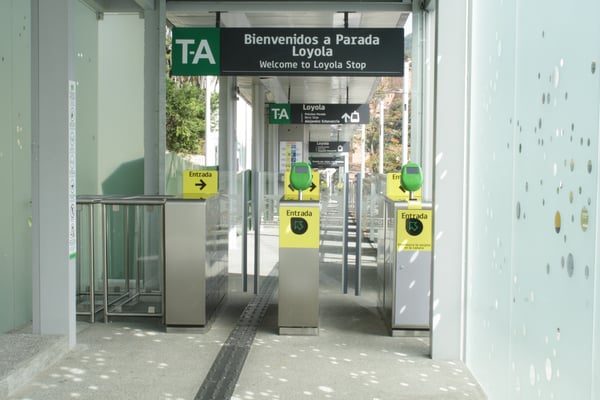
In Colombia, the main forms of mass transit are buses, BRT (Bus Rapid Transit), airplanes, and the metro. These have evolved in several ways. First, there are the buses, a mode of transport where the only way to access it was by purchasing a ticket, which had to be paid for with cash. This led to traffic problems, accidents, and even robberies. Therefore, over time, special bus stops were built, which evolved into large stations that now operate with cards allowing immediate access to trains, metros, and articulated or bi-articulated buses.
The first turnstiles for controlling the entry and exit of people were installed inside vehicles. However, over time, an access control system was incorporated into the stations, allowing for a massive flow of people.
In Colombia, the first turnstiles designed for this type of use and volume of users were installed in the Medellín Metro and the Bogotá TransMilenio stations. Mostly tripod-type turnstiles were used, which over time revealed a major issue: people were evading fares and not paying the fare. Consequently, system operators began demanding solutions that prioritized fare collection. For this reason, system, and equipment requirements evolved, and motorized walkways and floor-to-ceiling turnstiles, which had already proven effective in solving these problems worldwide, began to be installed.
These two systems ensure individual passage for each passenger at the stations, thus protecting them from fare evasion. It should be noted that floor-to-ceiling turnstiles are used in systems where even greater security requirements are necessary.
Incomelec has supplied, installed, and commissioned the new automated walkway technology for these systems. Automatic Systems' TGH range of high-security motorized walkways guarantees fast, efficient, and secure access control for users, with a special design adaptable to any architectural environment. The glass panels retract completely and do not obstruct the user's passage. Multiple walkways can be installed in series or individually, with a passage width between 500 mm and 900 mm.
Projects installed and supplied by Incomelec with TGH automated walkways in mass transit systems:
TransMilenio, estación Santa Lucía.
In addition, at stations with higher security requirements, it has supplied, installed, and commissioned Automatic Systems TRS range floor-to-ceiling turnstiles. These are full-height, rotating barriers that operate with a robust mechanism, have mechanical locking, allow for one-way access, and function with smooth and gradual movements.
Foto: https://www.instagram.com/p/CFZvAueBySc/
Airport solutions
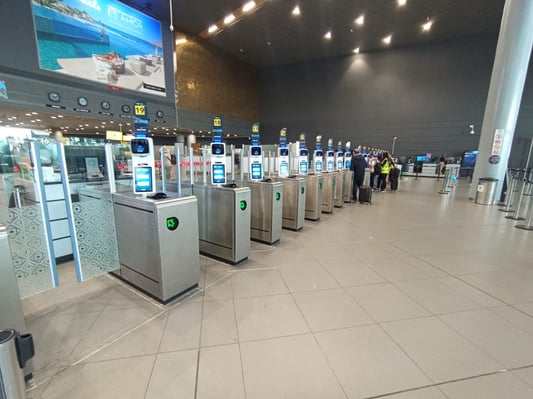
The technologies and equipment used for access control at airports have also advanced. A few years ago, most passenger validation processes were carried out by people, primarily immigration officers who checked passengers' identities and statuses against various databases. This allowed or denied transit from one area of the airport to another, as well as the entry and exit of people to and from other countries.
Due to the surge in flights and the massive influx of passengers, lines formed in various parts of the airport, causing extremely long delays during peak hours. The number of staff was insufficient to meet the sporadic demand. Hiring more personnel was not the solution, as the problems only occurred during peak times.
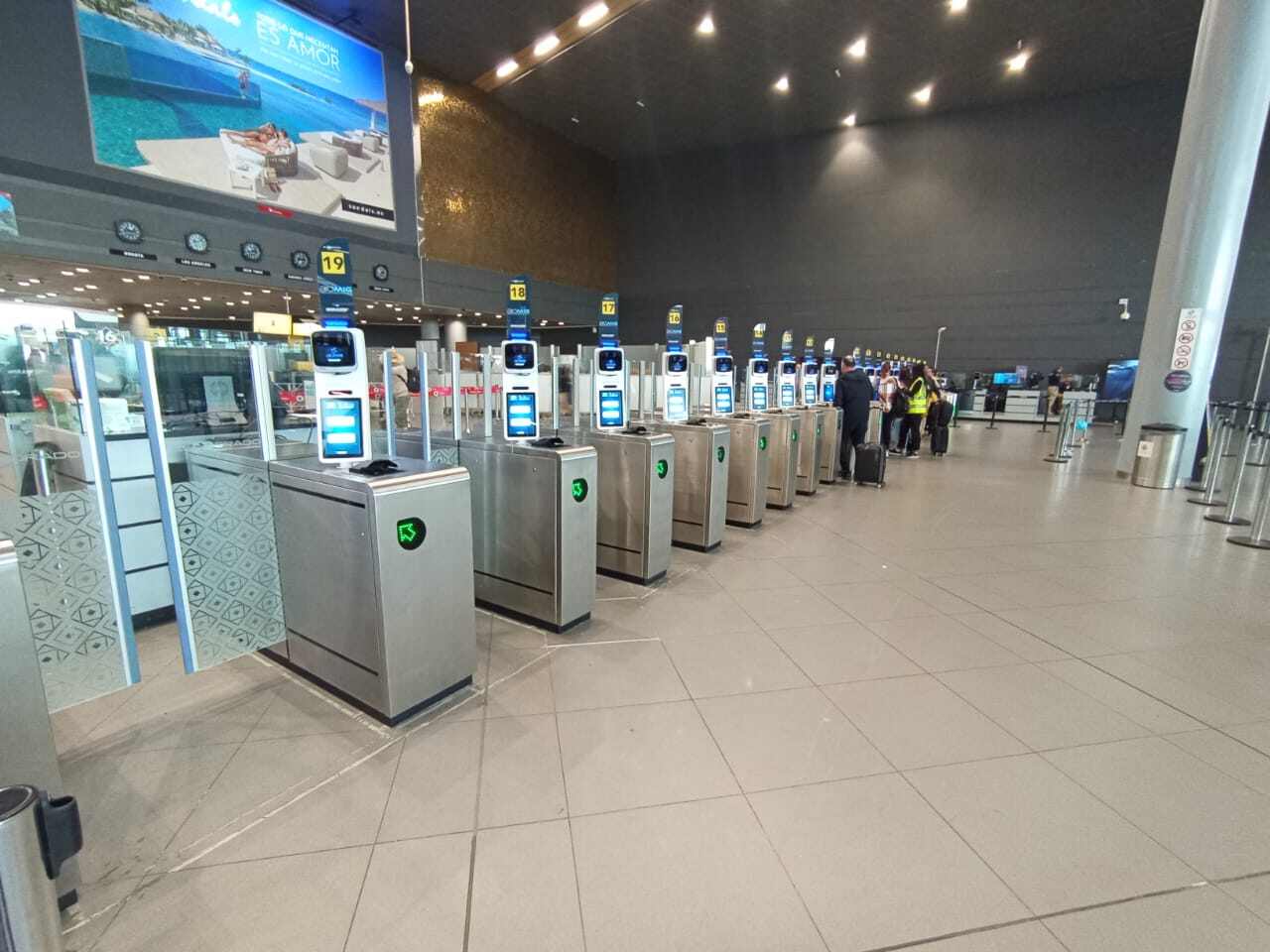
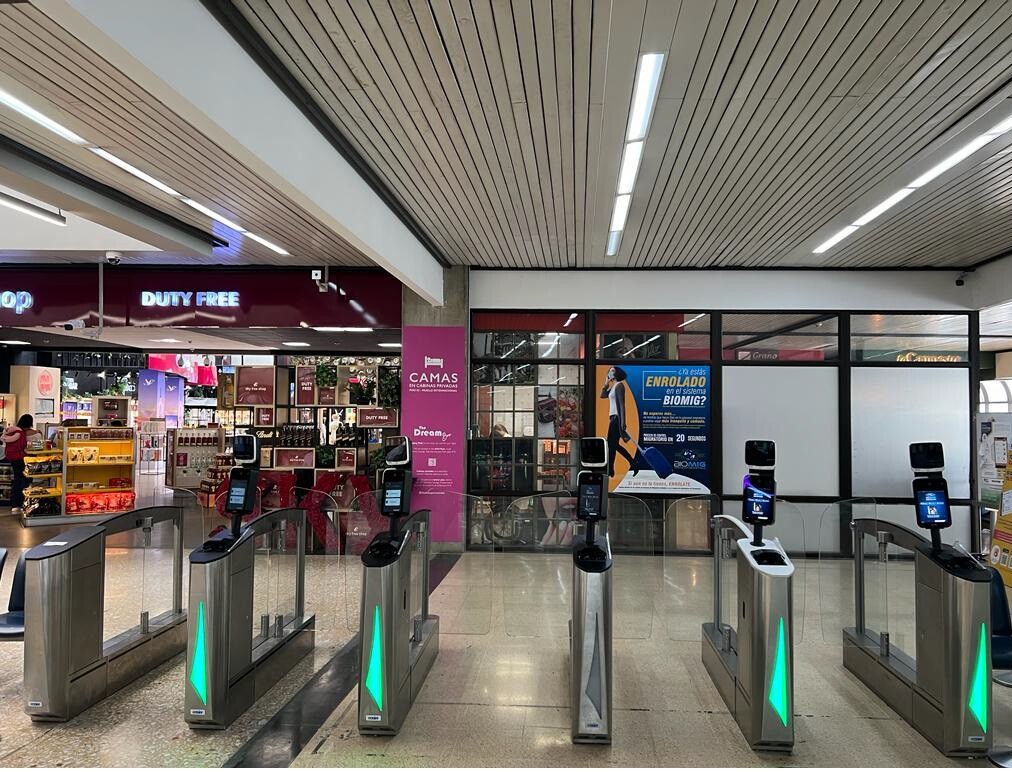
To address this, processes began to be automated gradually. Motorized walkways integrated with different technologies were installed, depending on the process being carried out. For example, at El Dorado Airport in Bogotá, the walkways are integrated in different areas with the following technologies:
- Iris scanning of passengers
- Passport scanning
- Boarding scanning.
The SkyLane range of moving walkways from Automatic Systems has been supplied, installed, and commissioned at several airports in Colombia by Incomelec.
These high-performance, bidirectional, double-door swing walkways, with 90° opening, are designed for seamless integration with any architectural style. They feature high processing capacity and a unique detection system that ensures precise user tracking and prevents unauthorized access.
Projects installed and supplied by Incomelec with SkyLane automated walkways in airports:
Biomig llegadas Bogotá
Veripax Internacional
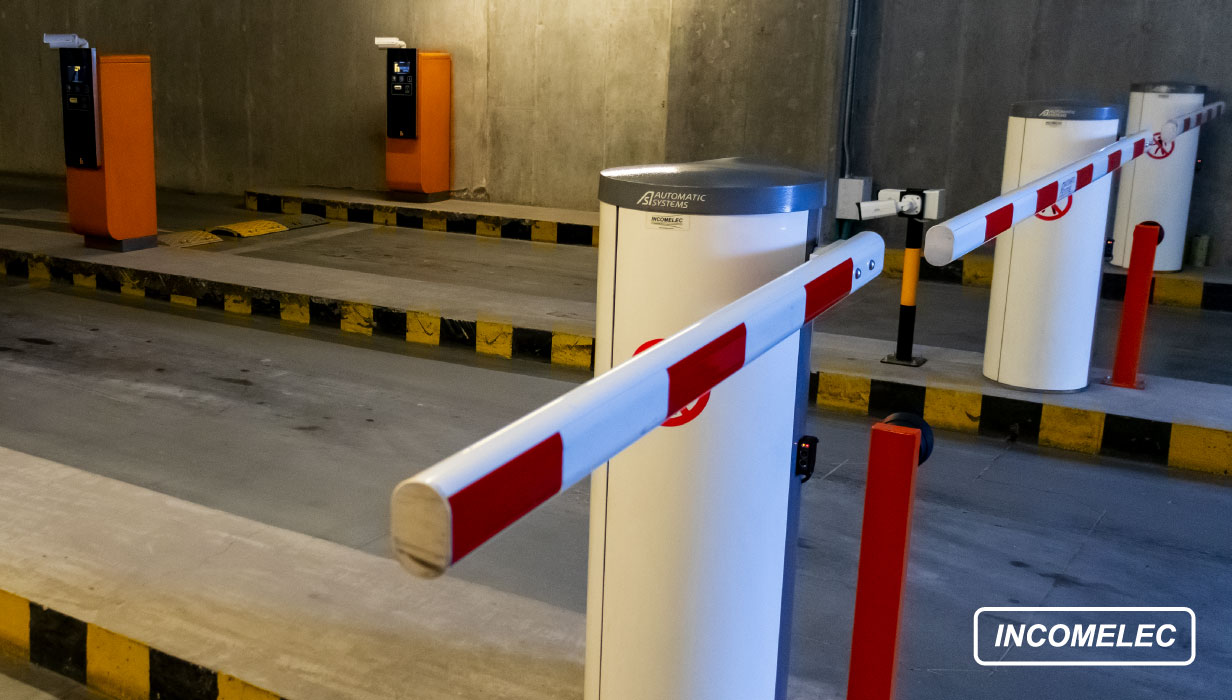
En Incomelec suministramos las mejores soluciones del mercado para el control de acceso de vehículos, peatones y pasajeros.