

What is an access control system and what are its advantages?
For several years, the demand for access control systems has been increasing, as we move from traditional, staffed systems to automated entry and exit control processes with equipment that ensures the security of both premises and people. These cutting-edge access control systems offer a wide variety of functions for managing the access of people and vehicles. Installing these types of solutions requires comprehensive professional consulting to determine the most relevant factors, including:
- Access points
- Number of users
- Access levels
- Access hours
- Type of readers (card reader, ID reader, biometric reader)
- Type of controllers
With these factors defined, the process for selecting devices and equipment will be more precise and effective.
But what is an access control system?
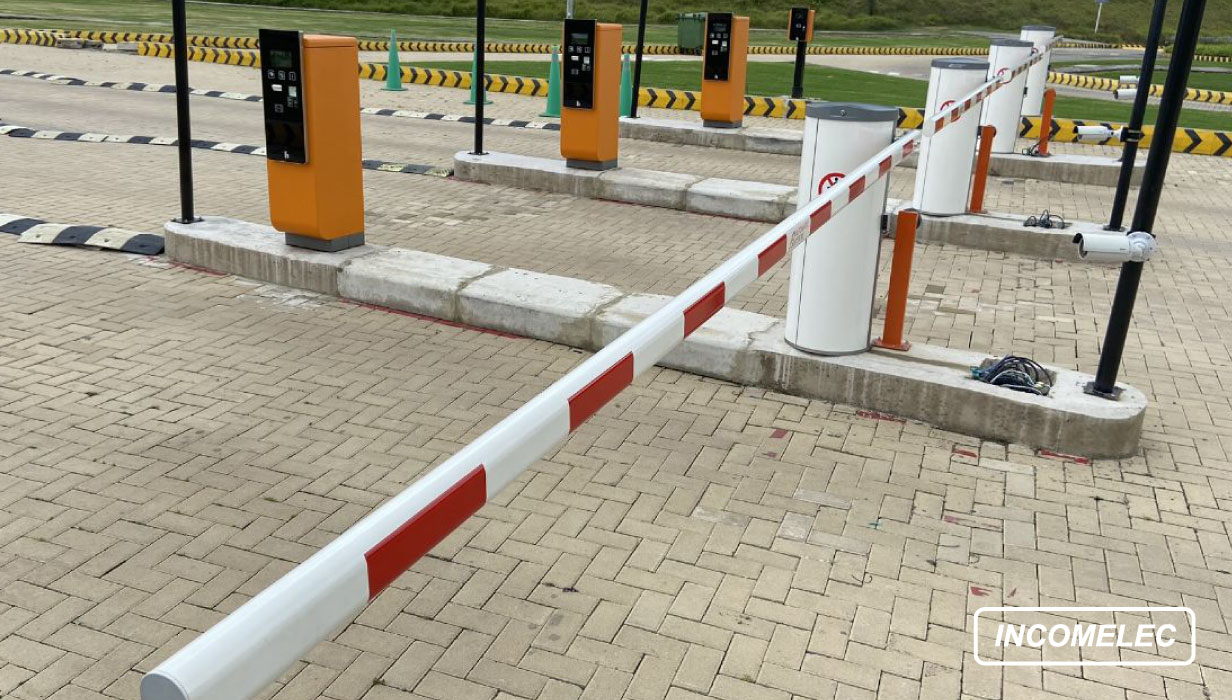
These are automated systems comprised of software and hardware that control access for vehicles, pedestrians, and passengers, ensuring that only authorized individuals and vehicles enter efficiently. This is based on specific security parameters established according to the project's needs. Furthermore, they allow for automated record-keeping of entry and exit for people or vehicles when required.
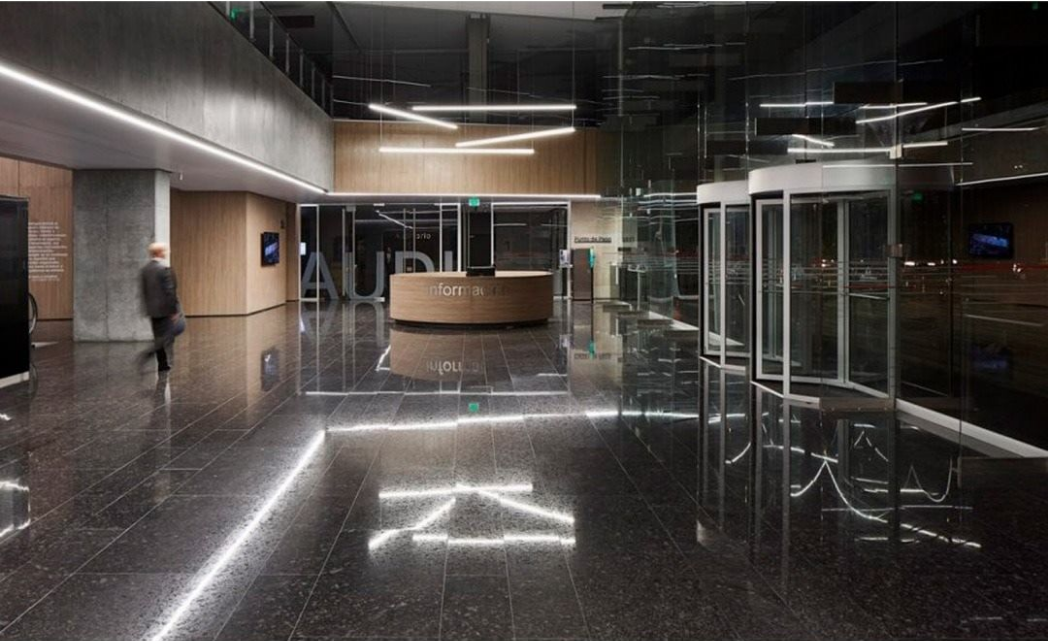
In the case of pedestrian access control systems, user authentication can be carried out in different ways, including:
- Physical credentials: RFID cards in their different protocols (mifare, EM, HID), ID cards, badges, tags, among others.
- Biometrics: Recognition of physical and non-transferable characteristics of people, including iris reading, palm reading, fingerprint reading or facial recognition.
Benefits of installing an access control system for pedestrians and vehicles:
- Greater security and control.
- Savings in personnel costs.
- Reduction in registration and authentication times for people and vehicles.
- Increased monetary value of the location where they are installed.
- Real-time and readily available record of vehicle, pedestrian, and passenger access.
.jpeg)
